

Financial

How Olympia’s Rain Affects Your Roof and When to Schedule Repairs

Living where we do, it’s not much of a stretch to guess that damage from rain is one of the most expensive and frequent problems that we see in Olympia, yet so few homeowners actually know how to account for the moisture. With long stretches of wet weather, heavy rains, and the occasional windstorm, your roof works hard to protect your home. Let’s take a deep dive into how Olympia’s rainy climate affects your roof, the signs to watch for, and when it’s time to call a professional roofing company for help.

Why Olympia’s Rain Puts Roofs to the Test

How Much Rain Does Olympia Really Get?

Olympia averages over 50 inches of rain per year, which is more than Seattle’s 37-39 inches per year. That much water puts major stress on roofing materials over time, especially if they weren’t installed properly or have aged out of their protective lifespan.

What Constant Moisture Does to Roofing Materials

Rain doesn’t just roll off your shingles and disappear. It seeps into weak spots, softens wood, and corrodes metal flashing. On a wet roof, moisture can get trapped under shingles or tiles, weakening their ability to adhere properly and eventually breaking down the underlayment.

Why Mold, Moss, and Algae are More than Just Ugly

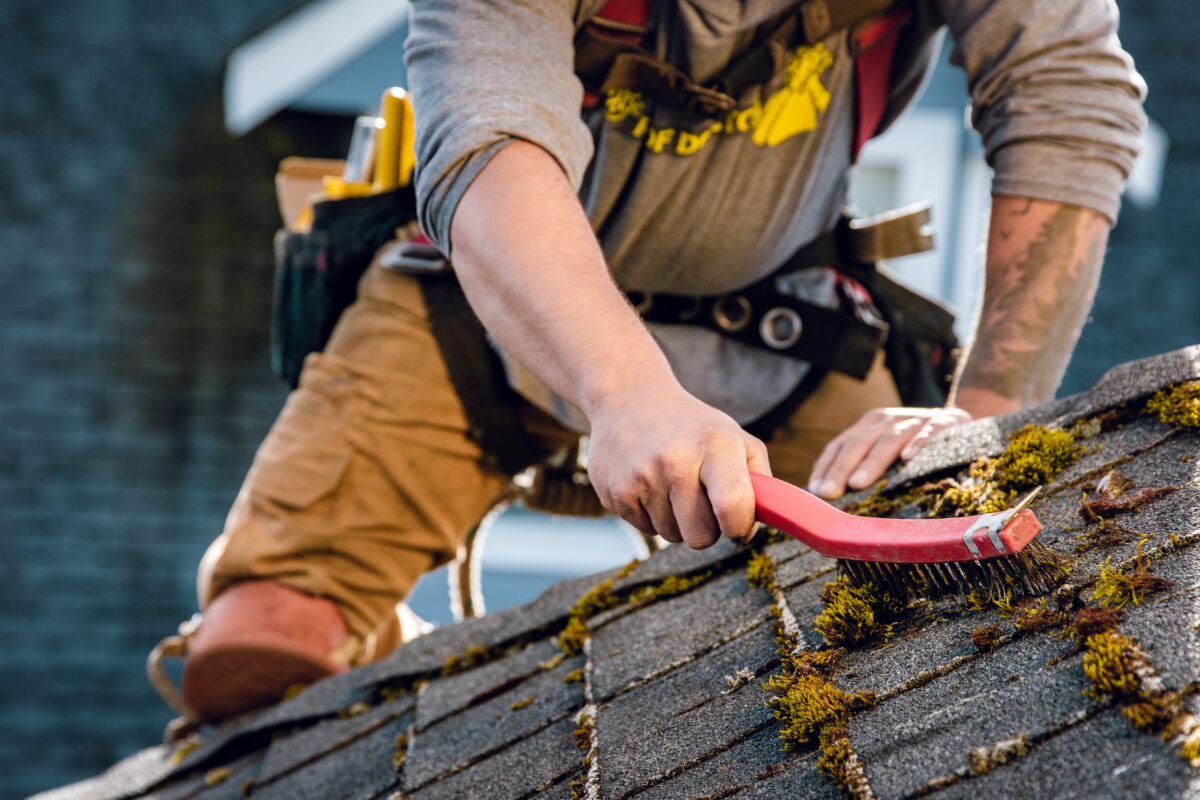
One of the beautiful things about the amount of rain that Olympia experiences is its constant state of greenery. Western Washington is a veritable garden, but this greenhouse effect can be a double-edged sword. Along with the ferns and the flowers, mold, moss, and algae run rampant. Though they may start small, they will quickly take over your roof. Moss, especially, can lift shingles and create entry points for water. Mold and algae contribute to the decay of both the roof surface and internal wood structures.

The Most Common Rain-Related Roof Problems

Leaks that start small but grow fast: A tiny drip in your attic may seem harmless at first. But over weeks of rain, that drip can lead to soaked insulation, ceiling stains, and costly structural repairs.

Soaked or sagging underlayment: When water gets past your shingles, the protective underlayment becomes compromised. Over time, it begins to sag, tear, or rot, allowing even more moisture inside.

Water pooling in the wrong places: Flat or low-sloped roofs can develop drainage issues. When water pooling goes unnoticed, it accelerates material breakdown and increases the risk of leak points.

Clogged gutters and drainage failures: One of the most overlooked issues. Clogged gutters cause water to spill over, soaking fascia boards and siding, and increasing the chance of basement or crawlspace flood damage.

How Different Roofing Types Handle Rain

In a rainy place like Olympia, the material your roof is made of can make a big difference. Some roofing types hold up well in damp, stormy weather. Others need a bit more care to stay watertight.

Asphalt Shingles 

These are one of the most common roofing materials in Olympia for a reason. They’re affordable, widely available, and reasonably durable in wet weather. However, they’re not invincible. Over time, asphalt shingles can begin to break down, especially if they’re exposed to constant moisture or weren’t installed with proper ventilation. If moss starts to grow or shingles begin curling, it’s a sign that rain has started taking a toll.

Metal Roofing 

On the other hand, metal roofing is a great performer in Olympia’s rainy climate. It sheds water quickly, resists mold and mildew, and is incredibly durable when installed correctly. Metal roofs can last for decades with minimal upkeep, which makes them a smart choice for homeowners who want peace of mind during the wet season.

Wood Shakes and Shingles 

Wood shakes and shingles look beautiful and offer a natural charm that fits in well with the Pacific Northwest aesthetic. But they come with a catch: wood is absorbent. In Olympia’s damp climate, that means these roofs need extra attention. Without regular cleaning and moss treatment, wood shakes can trap moisture, which leads to mold, rot, and premature aging.

Tile Roofs 

Whether made from clay or concrete, they offer impressive durability and a long lifespan. They’re heavy, which makes them less common in homes that weren’t engineered for the load. In wet conditions, cracked tiles or gaps in the underlayment can let water in and cause damage underneath. Like any roofing material, tile systems need to be installed and maintained carefully to handle Olympia’s frequent downpours.

Rain Damage Warning Signs You Shouldn’t Ignore

If you spot any of these, it’s your cue to talk to a roofing contractor sooner rather than later.

  • Water spots on ceilings or walls
  • Curling, cracked, or missing shingles
  • Moss or dark streaks on the roof surface
  • Musty smells in the attic or upper rooms
  • Peeling paint or damp drywall near rooflines

How Fast Does Rain Damage Add Up?

In Olympia, the answer is: fast. Especially during fall and winter, repeated storms mean your roof doesn’t get a chance to dry out fully. What begins as minor wear can evolve into major water damage across your roof, insulation, drywall, and even your electrical system.

How to Protect Your Roof

Keeping your roof in shape through Olympia’s rainy months starts with a few key steps. Clean your gutters twice a year to prevent overflow that can damage your siding and foundation. Trim back branches to keep debris off the roof and reduce storm damage. Apply moss treatment annually; moss traps moisture that can lift and rot shingles. And don’t skip the pre-season inspection. It’s the best way to catch small issues before they become costly repairs. These simple habits can help protect your home and extend the life of your roof.

When to Schedule a Roof Repair

After a heavy rain or windstorm, it’s smart to walk around your home and check for missing shingles, clogged gutters, debris buildup, or visible gaps in the flashing. If anything looks off, don’t wait. Spring and early summer are ideal for repairs, but in Olympia, roof work can be done year-round with the right team. The longer you put it off, the more likely a small problem will turn into major damage that requires a full roof replacement.

Can Roof Repairs Be Done in the Rain?

Yes, but we don’t recommend it. If you do choose to work in the rain, the job must be performed with caution. While it’s inadvisable to do a full replacement on a wet roof, minor repairs can be done safely by experienced crews using tarps and weather-resistant materials. However, it’s always best to schedule work when the forecast allows for dry stretches.

What About Roofers? Are They Allowed to Work in the Rain?

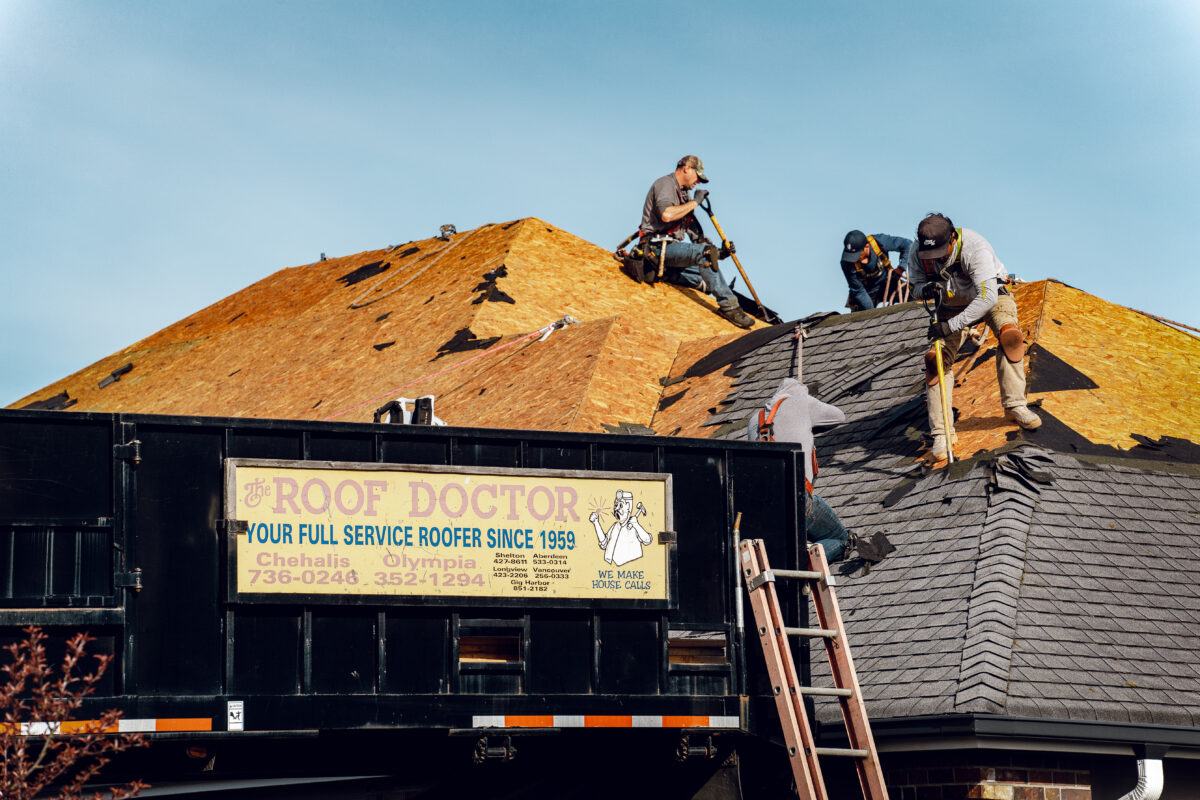
Yes, but it depends on the conditions. During light rain, many jobs can proceed safely. But during downpours or storms, it’s safer to wait. Any reputable roofing company will prioritize your safety and theirs.

What Happens If It Rains During a Roof Replacement?

Good roofing companies have contingency plans. If it starts raining mid-job, we pause the work, secure the exposed areas with waterproof coverings, and resume when it’s safe. Protecting your home is always the top priority during any roofing project.

Will Insurance Cover Roof Damage from Rain?

It depends. Some insurance companies consider rain damage a covered peril if it results from a sudden, accidental event like a storm tearing off shingles. But if the roof was neglected or just worn out, your claim might be denied.

Why Olympia Trusts The Roof Doctor

We’re a family-owned roofing company with 60+ years of experience right here in Western Washington. Our trained crews work fast, cleanly, and professionally: most jobs are done in just 1–2 days. We’re licensed, bonded, and insured, and we’re proud to serve both residential and commercial properties. On call 24/7, whether you’re facing an emergency or just planning ahead, we’ve got your back. (And your roof.)

Call The Roof Doctor today to schedule an inspection or get expert advice on your next roofing project. We’re here and happy to help.
Roof Repair Mistakes to Avoid

It probably goes without saying, but roof repairs are more than cosmetic. Your roof is number one in your home’s line of defense against the elements, and when it is damaged, things quickly go south. When your roof is under the weather, the rest of your home quickly follows, which is why proper repairs are so important. One bad patch job or overlooked issue can lead to water damage, structural rot, or a full roof replacement long before it should be necessary.

Whether you’re thinking of tackling a small repair yourself or hiring a contractor, it pays to understand the most common roofing mistakes and how to avoid them. Here’s what we’ve seen time and time again, so you can do it differently.

Why DIY Roof Repairs Go Wrong

Doing it yourself might seem like the fastest and cheapest option, but you’re actually likely to end up spending more time and money than you would have choosing professional service. We’ve met plenty of customers who started with a minor leak and ended up with major repairs after trying to handle things on their own. The most common issue? Missing what’s really going on under the surface.

For example, a few damaged shingles might seem like no big deal, but if water has seeped into the decking below, slapping on new shingles won’t solve the problem. And without the right safety equipment, even a quick fix can turn dangerous. We’ve seen folks with the best intentions get injured because they underestimated how slick or steep their roof really was.

DIY repairs also often involve the wrong materials, like mismatching shingles, applying incorrect sealants, or using nails that don’t work with your roofing type. No matter what your roof is made of, using the wrong products can void warranties or reduce the life expectancy of your roof.

Hiring the Wrong Contractor

Now, let’s say you’ve decided to go the safe route and choose a roofing contractor. This is better, right? 

Yes, but be careful. The wrong contractor can cause just as much damage as fumbling through it yourself, sometimes more. One of the biggest mistakes we see folks making is choosing a roofer based on price alone. While budget matters, you usually get what you pay for in roofing.

Low bids often mean shortcuts: unlicensed workers, lack of insurance, cheap materials, or rushing through the job. That kind of work might look fine for a while, but problems often start showing up within the first year. Flashing starts leaking, shingles curl or lift, and suddenly you’re back where you started, only now you’re paying twice.

Also, always be wary of “storm chasers.” These are companies that follow big storms from town to town, offering quick repairs or full replacements. They’re hard to track down when issues come up later, and they rarely stand behind their work.

Before hiring anyone, check their license, ask for references, and make sure they’ve worked on roofs similar to yours, especially if you have specialty materials like slate or a complex roofline. A good contractor doesn’t just repair the issue; they help you avoid future ones.

Installation Mistakes that Cause Long-Term Damage

A roof is more than just shingles. The way each piece is installed affects how well your roof performs. Poor installation is one of the leading causes of roof failure, and unfortunately, it’s more common than you might think.

We’ve seen repairs where shingles were nailed too high, leaving them prone to lifting in high winds. Or flashing that was installed improperly around vents and chimneys, creating perfect entry points for water. Sometimes the repair itself disrupts the natural flow of water off the roof, especially in valleys or flatter areas where drainage is already tricky.

When a roof doesn’t shed water efficiently, it doesn’t take long for leaks to start. Over time, even small mistakes can cause insulation damage, rotting beams, and mold growth in your attic. That’s why it’s so important to use trained crews who understand not just how to install materials, but how to install them correctly for your specific roof structure and local climate.

Ignoring Signs of Water Damage

Water damage doesn’t always show up as a dripping ceiling. Sometimes it’s much sneakier. You might notice a musty smell in the attic, a dark stain forming on a ceiling tile, or a draft you can’t quite explain. The trouble is, by the time most people notice water damage, it’s been going on for a while. That’s why it’s never a good idea to delay roof repairs. A small leak today might lead to black mold tomorrow, or worse, weakened structural supports.

And remember, just because you can’t see a leak doesn’t mean there isn’t one. It’s smart to check your attic periodically, especially after heavy rain. Look for signs of moisture, check around chimneys and skylights, and pay attention to the condition of your insulation. If it’s damp or compacted, water might be getting in.

Letting Maintenance Slide

One of the most common roof repair mistakes isn’t about the repair at all. It’s more about prevention. Regular maintenance can catch small problems early, but it’s something many people forget about until they’re already dealing with major damage.

For instance, clogged gutters might not seem like a big deal, but they can cause water to back up onto your roof. This leads to rot along the eaves and can shorten the lifespan of even a high-quality roof. Overhanging tree branches can also be a problem. Not only do they drop debris, but they can scrape roofing material and invite moss growth, which thrives in damp, shaded areas and can cause wood shingles or asphalt shingles to deteriorate faster.

We recommend at least one inspection per year, plus a check after major storms. And if your roof is nearing the end of its 20-year life expectancy, or 50 years for materials like slate or metal, it’s smart to increase the frequency.

Not Understanding Your Roofing Material

One of the most overlooked details in roof repair jobs is the difference between roofing materials. Different roofs need different care. For example, we often see repairs done with mismatched shingles, either because the original brand is no longer available or someone tried to cut corners. Not only does this look odd, but it can create weak spots that are more vulnerable to wind damage and water intrusion.

Your climate also plays a role. In Western Washington, where we deal with frequent rain and moss, roofing that might work well in dry climates may not hold up here. That’s why working with someone who understands local conditions is key to getting the most out of your roofing material.

Misdiagnosing the Problem

Sometimes what looks like the problem is only a symptom caused by it. Think of it like a virus; you may experience symptoms like feverishness or a persistent cough, but those aren’t the actual issue. You can treat these ailments with cough drops and Tylenol, but that medication isn’t the thing that’s curing you. Your body has to work hard behind the scenes to kill the virus. Roofing issues can be much the same, but unfortunately, unlike us, they do not have immune systems to fight off sickness with, which is why addressing the root of the problem is so serious. 

Water stains might show up in one room, but the leak could be coming from a completely different section of the roof. Water has a way of traveling along beams and insulation before finally dripping down. We’ve also seen cases where people replaced shingles when the real issue was poor ventilation, leading to moisture buildup inside the attic. All of this just goes to show that guessing rarely works when it comes to roofing. A full inspection can reveal whether the damage is isolated or if there’s a bigger underlying issue.

A professional roofing contractor has all the know-how and experience to properly diagnose the issue and prescribe a solution. They’re the experts in the matter, so trusting them with your roof is a smart choice.

What Damages Roofs the Most?

In our region, the biggest threats to your roof include constant moisture, high winds, and moss growth. Water is especially hard on roofs, as it wears down shingles, weakens flashing, and promotes mold. Wind can lift or tear off poorly installed materials, while overhanging trees and heavy debris can do physical damage and block proper drainage.

Even the best roofs won’t last forever. But with proper installation, smart material choices, and regular care, you can keep yours strong for decades.

When You Protect Your Roof, You Protect Your Entire Home

Your roof is an investment that’s supposed to last, but small mistakes like DIY errors to hiring the wrong contractor can seriously shorten its life. If your roof is 20 years old, showing signs of wear, or just hasn’t been checked in a while, now’s the time. Avoiding common mistakes starts with knowing what to look for and who to trust. If you’re unsure about the condition of your roof or need expert repairs done right the first time, we’re here to help.

Why Trust The Roof Doctor with Your Roof Repairs

We’re a local, family-run team that’s been serving Western Washington for over 60 years. Our crews know what they’re doing, and every project, big or small, is handled by licensed, bonded, and insured professionals. Whether you need a quick repair, a full roof replacement, or just some honest advice, we’re always happy to help. No pressure. Just quality work and a team that shows up when you need us.

The Hidden Cost of Delaying Roof Repairs

Last week, someone might’ve noticed a drip in their attic ceiling. The discovery was an annoying one because, first of all, no one likes to see a leak in their house, and secondly, they already had enough on their plate without having to schedule a repair. They meant to fix it, of course, but other things like appointments, errands, work, and maybe even kids took up more of their attention than one tiny drip. Before they knew it, a day had passed. Then two days. Then three. Without really meaning to, they put roof repairs on the back burner. 

This morning, they woke up to find that the water had visibly traveled from the attic into the main body of their home, and they decided it was high time to schedule that repair. However, when the crew arrived to inspect the damage, they had bad news: the water damage was so extensive that it had begun to corrode the very structural supports of their home. What would have once been a relatively simple and inexpensive repair would now cost thousands of dollars and hours of work. 

This person could be anyone. It’s easy to let roof repairs stay out of sight and out of mind… until it isn’t. But with the right tools, you don’t have to suffer the same consequences. Let’s talk about the dangers of ignoring roof repairs, and what you can do to avoid ever letting one slip under your radar. 

Understanding the Stakes of a Damaged Roof

Immediate vs Long-Term Consequences

A damaged roof doesn’t wait patiently for you to come and fix it. It gets worse fast. What starts as a missing shingle or minor leak can spiral into widespread rot, interior water damage, and even structural issues. Moisture finds its way in through the smallest cracks or gaps, and from there, it spreads into insulation, wood supports, and ceiling materials.

The longer you wait, the more materials and labor it takes to fix the problem. And unlike other household issues, roof damage tends to compound quietly. By the time you notice it, the cost has already gone up.

Why Even Minor Damage Isn’t Harmless

Western Washington’s climate is no friend to roofs. Constant moisture, UV rays, and seasonal storms wear down materials, especially if damage is already present. Left unaddressed, a small issue invites mold growth, wood rot, and even pest infestations.

Direct Financial Impacts of Waiting

Escalating Repair Costs

Think of it this way: replacing a few asphalt shingles today is way cheaper than replacing half your roof tomorrow. Roof repair prices rise quickly when damage spreads. A minor fix can often be completed in a single day with minimal materials. But once water infiltrates deeper layers of the roof, you might need to replace decking, flashing, insulation, or even entire sections of your ceiling.

At that point, you’re not just paying for roof repair—you’re also paying for carpentry, drywall, electrical, and painting. What could have been a few hundred dollars can easily climb into the thousands.

Insurance 

Delaying roof repairs can be interpreted as neglect, which can reduce or eliminate your coverage. Insurance companies expect regular maintenance. If you fail to act on visible signs of damage, like missing shingles or known leaks, you may be on the hook for the entire bill. Even worse, damage caused by neglect might affect your future eligibility or raise your premiums.

Indirect Costs

Health Risks from Mold and Mildew

Once mold begins to grow behind walls or under flooring, it spreads quickly and quietly. Unfortunately, moisture from a roof leak is a perfect breeding ground for it. That mold can then trigger asthma, allergies, and other respiratory issues, especially in kids, elderly family members, or anyone with existing health conditions.

Energy Efficiency and Heating Costs

Gaps in roofing materials reduce insulation. That means your HVAC system has to work harder during the damp, chilly months that are so prevalent here in the Pacific Northwest. Over time, the hit to your energy efficiency shows up on your utility bill.

Property Value and Sellability

Trying to sell a house with roof damage is tricky. You’ll likely face a lower appraisal or lose buyers entirely. Even if you’re not planning to sell, your home’s long-term value is tied closely to the condition of your roof.

Home inspectors flag roof issues right away, and buyers often request major discounts or walk away altogether if there’s evidence of water damage. In some cases, lenders won’t even approve a mortgage on a home with an aging or damaged roof.

Structural and Safety Concerns

When water gets into your roofing structure, it can rot the beams, weaken the decking, and compromise the entire system. Repairs at this level become complex and expensive.

A weakened roof frame has trouble supporting the weight of snow, tree limbs, or even additional layers of roofing material. In extreme cases, you may face partial or full collapse. Plus, when electrical systems mix with water damage, the risk of electric shock increases, too. The longer you wait, the more you’re gambling with safety. All in all, something to be avoided at all costs.

Environmental and Climate-Specific Challenges in Washington

Here in Western Washington, constant moisture, shade from towering trees, and changing weather conditions put extra stress on your roof. Moss grows fast. Shingles loosen in high winds. And if your roof isn’t built to handle it, or if damage is ignored, its life expectancy drops.

Architectural shingles and other durable roofing materials are better suited for this region’s challenges, but even the best products can’t compensate for neglect. That’s why regular inspections and fast repairs are so important. In order to protect your roof against the unique stressors of our local climate, we recommend sparing an extra thought for your roof from time to time.

Common Questions 

What Happens If You Don’t Repair Your Roof?

You risk more than just water damage. Delayed repairs can cause structural failure, health issues, higher energy bills, and massive repair costs. It also puts your insurance coverage and home value at risk. The longer you wait, the more layers of your home the damage can reach.

Is It Worth It to Repair a Roof?

Yes. Prompt roof repairs are almost always more affordable than the damage they prevent. Even small fixes can extend your roof’s life and prevent major expenses later. The upfront investment is a fraction of what you’d pay for structural repairs or full replacement.

Should I Replace My Roof If It’s Not Leaking?

It depends. Visible wear, aging shingles, and recurring need for repairs are signs that your roof may need replacing. Waiting for a leak to show up usually means internal damage has already started.

How Long Should a Shingle Roof Last?

Asphalt shingles last 15–30 years, and architectural shingles can last even longer with regular maintenance. But local weather conditions like UV exposure, moss, and rain can shorten your roof’s lifespan without proper care.

What Happens If You Don’t Fix a Leaking Roof?

The leak spreads. Water travels through insulation, rafters, and drywall. Mold begins to grow. Your ceiling may sag or collapse. The longer it’s left alone, the bigger the problem gets.

How Long Can You Leave a Leaking Roof?

Not long. Even a few days of exposure can lead to significant damage. Moisture builds quickly, and hidden water damage can grow before you even notice it. If you suspect a leak, call a roofing contractor right away.

Tips and Tricks for Keeping Your Roof Healthy

Early Warning Signs

Spotting these early and getting a head start on fixing them can save you thousands in future repairs. Look out for:

  • Missing or cracked shingles
  • Granules in gutters
  • Moss or algae growth
  • Water stains on ceilings
  • Sagging rooflines

When to Call a Pro

You should have your roof inspected at least once a year and after every major storm. Roofing contractors can catch subtle issues you’ll miss. Acting quickly means smaller repair bills and less disruption.

Temporary Measures

Covering a leak with a tarp, clearing clogged gutters, or adding sealant around flashing are things you can do to hold down the fort before the pros arrive. However, keep in mind that these are not long-term solutions. Improper DIY fixes can sometimes make the problem worse or void warranties, so your best bet is with a licensed professional.

Planning for Budget and Timing

Roofing problems often come without warning. It’s a good idea to set aside funds each year for potential maintenance, and schedule inspections during drier months when work is faster and more affordable. If you need a bigger job done, ask about financing or phased repairs.

What This Means for Your Home

Delaying roof repairs escalates repair costs and risks your home’s safety, comfort, and value. Acting early keeps small issues from becoming major headaches and stretches your roof’s lifespan. Trust that prevention is always cheaper (and a lot less stressful) than emergency restoration.

Why Trust The Roof Doctor with Your Roof Repairs?

We’re a family-owned roofing contractor with 60+ years of experience serving Western Washington. Whether you need a quick roof repair, regular inspection, or full replacement, our highly trained crews are here when you need us day or night. Fast turnarounds, honest pricing, and a positive, friendly approach are what’s earned us our watertight reputation. Plus, we care about treating your roof like it’s our own. We offer residential and commercial services built to withstand our local climate.

How Often Should You Schedule a Roof Inspection?

When’s the last time someone checked your roof? If you’re not sure, you’re not alone. Roof inspections aren’t usually on the front of anyone’s mind, but here’s the thing: regular roof inspections aren’t just nice to have. They’re what stands between you and expensive future repairs or emergencies. In this article, we’ll break down how often you should schedule a roof inspection, what to expect, and why it’s one of the smartest preventive steps you can take, especially here in Western Washington.

Why Regular Roof Inspections Matter

Protecting Your Home in Western Washington’s Climate

Living in the Pacific Northwest means your roof takes a beating from a variety of weather conditions. Windstorms, heavy rain, moss growth, and even the occasional snowfall all speed up wear and tear, making routine checkups more important than in milder climates.

Spotting Small Issues Before They Turn Dangerous

A cracked shingle or minor flashing issue might not seem like a big deal until it leads to a leak or structural damage, but that’s not what we want for you. Regular inspections help catch these problems early, before they grow into something that threatens your roof’s condition or causes damage to your home.

How Often Should You Get a Roof Inspection?

As a general rule of thumb, annual checkups are great. Most roofing contractors recommend you schedule a roof inspection once a year. It’s a smart, affordable way to stay on top of maintenance and extend the lifespan of your roof. However, the need can vary depending on the age of your roof. Newer roofs under 5 years old might only need inspections every 2 years, while roofs that are more than 15 years old could benefit from checkups twice a year. 

Seasonal Considerations in WA

Spring and fall are some of the best times to inspect your roof. During the rainy season, pooled water, ice dams, and wind-driven rain can find weak spots fast, so scheduling an inspection before or after winter is advisable. Plus, inspecting in spring can help you keep track of moss buildup. 

Is a Roof Inspection Worth It?

An inspection typically costs much less than repairing water damage, mold, or needing a full roof replacement down the line. We’ve seen cases where a simple cracked vent caused attic leaks that went unnoticed for months. A 30-minute check could’ve saved thousands in repairs. That’s why regular inspections are so valuable.

Insurance & Roof Inspections

Will Homeowners Insurance Cover the Inspection?

Most policies don’t cover preventive checks, but they might cover a roof inspection for insurance if it’s part of a claim. It’s best to call your insurance company to confirm your coverage.

Claims vs. Preventive Care: What You Should Know 

If your roof has been damaged, an inspection report helps you make informed decisions and build a strong claim. But don’t wait until damage strikes; these inspections can help protect your insurance coverage too.

Professional vs. DIY Inspection

Certified Roofers

Climbing onto your roof might seem like a way to save money, but a professional inspection brings more to the table than just a set of eyes. Trained roof inspectors know exactly what to look for. They’ll see things that the average person might miss, like subtle signs of water intrusion or early-stage wear. They also know how to navigate a roof safely, which means you’re not risking your health or making the problem worse. If you feel that your roof needs a serious inspection, a professional is your best bet. 

Can You Inspect Your Own Roof?

If you do choose to inspect your roof on your own, there are safe options. You can do a quick visual check from the ground and look for missing or curled shingles, check for dark streaks or moss, and look for debris in the gutters. However, we do not recommend you climb on your roof to look for yourself unless you’re experienced. If there are places you can’t see from the ground, it’s best to leave the full inspection to a pro.

Should You Get Multiple Roof Inspections?

Not usually, but sometimes a second opinion helps. For instance, if you’re buying a home, scheduling a roof inspection is a good idea. A home inspector often doesn’t catch every roofing issue, as it’s not their area of expertise. On the other side of the scale, if you’re selling, having a clean report can give buyers confidence.

Post-Repair Verification

After a repair or roof replacement, it’s a good idea to have it inspected to verify the work was done correctly and up to standard.

Practical Tips for Booking a Roof Inspection

Choosing the Right Local Inspector Near You

When choosing a local roof inspector, start by looking for someone who truly understands the area. A professional familiar with Western Washington’s unique climate will know what to look for and how seasonal changes impact roofing materials. It’s important that they’re licensed, insured, and certified; these credentials show that they meet industry standards and offer some peace of mind. Checking their online reviews and asking to see examples of past work can also give you a better sense of their reliability.

What to Ask Prospective Inspectors

  • “What’s included in your inspection?”
  • “Do you offer a free roof inspection for first-time customers?”
  • “How soon can you get here?”

Understanding Pricing & Scope of Work

When it comes to pricing, transparency is everything. Ask for a clear quote in writing, and if possible, request a sample of their inspection report. This will give you a good idea of what kind of detail and documentation you’ll receive.

How to Prepare for a Roof Inspection

So you’ve scheduled your inspection. Now what? Many ask whether they need to be in the home when the inspection takes place, and the answer to that question is: not necessarily. It helps, as being home lets the roof inspector walk you through findings or snap photos of problem areas. 

Finishing Up

Regular inspections aren’t required for a healthy roof, but if you want to make informed decisions, catch problems early, and extend your roof’s life, we highly recommend them. If you’re looking for insurance coverage, suspect storm damage, or just want peace of mind, it’s smart to schedule a roof inspection at least once a year.

Why Trust the Roof Doctor?

At The Roof Doctor, we’ve been serving Western Washington since 1979. We’re family-owned, customer-focused, and always ready to help. Whether you need a basic checkup, post-storm assessment, or advice on roof certification for insurance, our honest, professional team is here for you.

Ready to get started? Call us today to schedule your roof inspection or reach out with any questions. We’d love to help keep your roof in great shape!

How To Maintain Your Roof To Extend Its Lifespan

Your roof is one of the hardest-working parts of your home or business, but it’s easy to forget it’s even there until something goes wrong. The good news is, with a little attention now, you can save thousands in repairs later. Proper maintenance will extend your roof’s lifespan well beyond its expected years. Let’s talk about how. 

Why Roof Maintenance Matters

Be wary of paying your roof no attention. Think about it like a luxury car. Even the most meticulously made vehicle will break down if it’s driven around without a care for the machinery inside. A Porsche is expertly put together with quality materials, but that doesn’t mean you don’t take care of it.

Your roof is the same way. It’s made to function, but not without maintenance. Mold, algae, and leaks are not small issues, and can eventually lead to serious damage that can eventually require the roof to be replaced entirely. This isn’t cheap. Several roofing materials can cost thousands just in labor alone. Thankfully, no matter what type of roofing material you’ve got, from flat roofs to slate roofs, regular care helps you avoid that expense. With some minor work on your part right now, you won’t have to replace your roof before its time. 

How Long Should a Roof Last?

Here’s a quick look at how long different types of roofing materials typically last when properly installed and maintained:

Roofing MaterialExpected Lifespan
Asphalt Shingles20–30 years
Slate Tiles/Roof50+ years
Clay Tile Roof40–50 years
Metal Roofing40–70 years
Flat Roof (Membrane)20–30 years

Of course, this lifespan depends heavily on weather, installation quality, ventilation, and, most importantly, how well you care for your roof.

What You Can Do to Prolong Your Roof’s Life

It’s not just what you install, it’s how you treat it afterward. We recommend professional roof inspection at least once a year, and after any major storm, but you can also keep tabs on the state of your roof yourself. Look for missing shingles, cracked flashing, sagging areas, or signs of water intrusion. A little time out of your day can mean the difference between expensive repairs or replacements in the future and an easy fix that barely takes an hour. 

Along with checking after big storms, a good way to organize these checkups is by season. In spring, clear away winter debris, check gutters, and inspect for water damage. In fall, remove leaves, trim back branches, and prep for rain and wind. 

How Often Should You Get a Professional Roof Inspection?

Once a year is a good rule of thumb, but there are times when you may need one sooner. After heavy wind or a hailstorm, before buying or selling property, and if you see stains, musty smells, or drafts, are all good times to make sure nothing is going on that will come back to bite you later.

Tips for Cleaning Your Roof 

Let’s clear something up—literally.

Does Cleaning Your Roof Help It Last Longer?

Yes! Dirt, moss, and algae trap moisture that eats away at roofing materials. Routine cleaning not only keeps your roof looking sharp, it helps extend the life of your roof. However, this doesn’t apply when the cleaning method is damaging.

Professional Cleaning

Professional roofers have all the tools and training necessary to make sure the cleaning job is one that will extend the life of your roof, not shorten it. We recommend hiring a cleaner rather than doing it yourself, for the safety of your home. In general, though, some good rules of thumb are to never use bleach or corrosive cleaners, and don’t walk on the roof if you don’t have to. These’ll help your roof stay in tip-top shape. 

Can You Spray Anything to Extend Roof Life?

Yep, there’s something called roof rejuvenation treatments. 

What Is Roof Rejuvenation Spray?

This is a bio-based spray applied to asphalt shingles that helps restore flexibility and waterproofing. Think of it like conditioner for your roof.

When It Works and When It Doesn’t

Rejuvenation is most effective for asphalt shingles that are 6–15 years old and showing surface wear, but not deep damage.

Is It Right for You?

It’s a solid option if your roof is aging but still structurally sound. It can potentially buy you 5–10 more years before you need a full roof replacement.

Gutter Maintenance: The Overlooked Roof Saver

Your gutters aren’t just there to look pretty; they play a big part in the functionality of your roof. Clean gutters are a must for a healthy roof. When they clog, they cause water to back up onto your roof, leading to rot, mold, and ice dams. To keep them in the best condition, cleaning at least twice a year, more if you’re near trees, is advisable. In Western Washington, late fall and early spring are our ideal times.

Tree Trimming

Nature’s beautiful, but it can be rough on your roof. Branches scrape against roofing materials, block sunlight (which helps moss grow), and drop debris that clogs gutters. Keep branches trimmed at least six feet from your roof. If they’re large or high, call in a pro.

Attic Ventilation and Insulation

It’s not just about what’s on top; it’s what’s underneath, too. Poor ventilation = a shorter roof life. If your attic isn’t properly ventilated, heat and moisture build up. That can warp decking, break down shingles, and cause condensation problems. Look out for ice dams in winter, hot upstairs in summer, and moldy smells/visible mold. All of these are symptoms that you have a problem. 

When Repairs Are Better Than Replacing

Just because your roof has issues doesn’t mean it’s time for a new one. Loose shingles, cracked flashing, or small leaks can often be fixed quickly. The sooner you act, the smaller the repair bill. If you’re not sure what’s wrong or how bad it is, let a licensed roofer take a look. (Hint: That’s us!)

Small Steps Now, Big Savings Later

If there’s one thing we know after 60+ years in roofing, it’s that staying ahead of issues will always cost less than fixing them after they’ve grown. From cleaning your gutters to booking a yearly inspection, every small act of care helps extend roof lifespan and keeps your home or business protected through every season.

Why Trust The Roof Doctor with Your Roof?

At The Roof Doctor, we’ve been helping Western Washington families and businesses protect their roofs for generations. Whether you need a quick fix, a thorough inspection, or help deciding between repair and replacement, our crew is ready when you are.

Give us a call or schedule an inspection today. Let’s help your roof last longer together.

Local vs National Roofing Companies: Which One is Right for You?

When it’s time for a roof repair, replacement, or full construction project, one question tends to pop up fast: should you hire a local roofing company or go with a national chain? On the surface, both options may seem pretty similar. But dig a little deeper, and the differences will start to show. Whether you’re a business owner managing your property or you’re looking to protect your home from Washington’s moody weather patterns, the decision matters. Here’s what to know before you sign a contract and how to move forward with confidence.

The Basics

What is a Local Roofing Contractor? 

A local roofing company is just that—local. They live, work, and serve right out of your area. These companies typically handle jobs within a specific region (like western Washington) and have strong community ties. You’ll find them sponsoring youth sports teams, showing up at local events, and often, they’ve been around for decades.

What Makes a Roofing Company National?

National chains operate across multiple states, sometimes with hundreds of employees under a national brand. They usually have call centers, branded trucks, and wide marketing reach. Their size gives them name recognition, but that doesn’t always guarantee personal service.

Response Time and Accessibility

Hiring locally often means quicker scheduling and faster response times, especially when you’re dealing with a leak or storm damage. We’ve seen it firsthand: in tight-knit communities, our crews can often be on-site within a day or two. For national chains, scheduling depends on their broader system, which may not prioritize your zip code the same way. Plus, during busy seasons or extreme weather events, local contractors typically have a better grasp of how local weather affects roofing and can plan accordingly.

Customer Service: Personal or Processed?

It’s not just about getting someone on the phone, it’s about getting someone who knows your name. Local businesses tend to offer a more personalized touch because they live off reputation. If there’s a concern with your roof replacement, you’re more likely to talk directly with a manager or even the owner. National companies don’t have the time and resources to give every customer a personal touch. Often, you’ll be required to go through multiple customer service channels before you get any help. 

Community Reputation Matters

Before you hire a roofing contractor, ask around. What are your neighbors saying? Word-of-mouth reviews carry serious weight, especially when you can see the finished project down the street. Because local roofing companies depend on local referrals, their quality control tends to be tighter. They know that a single bad review could impact future business. National companies just don’t have that kind of accountability. 

Price Transparency and Flexibility

Can You Negotiate with Roofers?

Yes, and it’s usually easier with a local roofing company. Local contractors tend to provide roof estimates that are customized. Often, there’s room to talk about materials, timing, or even phased work if your budget is tight.

With national roofing companies, pricing can be less flexible. Some operate with flat-rate structures, especially if they’re part of a franchise. This doesn’t necessarily mean higher prices, but it could mean less wiggle room.

Licensing, Insurance, and Warranties

This is a must-check, no matter who you hire. Every roofing contractor, local or national, should be licensed, bonded, and insured. They should be happy to show documentation and explain your warranty options. Local companies often have to follow regulations specific to your city, and are well versed in all the legal inner workings. 

Craftsmanship and Materials

Local roofers often take pride in their work because their reputation is on the line with every job. Crews are usually trained in-house, and it’s easier to verify past work in your area. National chains, however, may use subcontractors, which can affect quality. Even if the materials are similar, the installation can vary depending on the crew.

Long-Term Care and Maintenance

After a roof replacement, who handles your inspections, cleanings, or touch-ups down the line? With a local contractor, you can often get the same crew back for follow-up service. That kind of consistency is harder to maintain with a big national brand. Plus, local roofers tend to be more familiar with long-term maintenance needs specific to your region.

How to Compare Roofing Companies

Questions to Ask Before You Hire

Not sure how to compare roofing contractors? Here are some questions to ask during your interviews:

  • How long have you worked in this area?
  • Can I see photos or addresses of completed jobs nearby?
  • Who will be doing the work—your team or subcontractors?
  • How long will the project take?
  • What’s your cleanup policy?
  • What type of warranty do you offer?

Red Flags

  • Vague answers or dodging questions
  • Pressure to sign a contract immediately
  • Unclear pricing or confusing contracts
  • Lack of local references

Which Option Is Right for You?

So, which option is better? In short, if you have the opportunity to go with a local company, take it. Not only do local companies usually know the area and materials that work best for it, but they also are held to an accountability and standard that doesn’t exist in a national chain. National chains might work for larger commercial jobs, but they don’t always bring the same neighborhood touch. 

Why Western Washington Calls The Roof Doctor

At The Roof Doctor, we’re more than just a roofing company. We’re part of the fabric of western Washington. We’re proud to have been helping families and businesses with their roofing projects for over 60 years, and we don’t plan to stop any time soon. Our crews are highly trained, our company is licensed, bonded, and insured, and our service is built on real relationships.

Whether you need a quick fix, a full replacement, or just want to learn more about hiring a local roofing expert, start by reaching out. We’re here to help with transparency and straightforwardness whenever you need it.estimate with our team. We’re happy to chat with you and we want to be here when you need us most.

How Roof Underlayment Works and Why It Matters

When you picture your roof, you probably imagine shingles, maybe flashing, and gutters. These are all parts of your roof, yes, but there’s one more very important thing hiding underneath it all. It’s called roof underlayment, and though it’s out of sight, it plays a huge role in keeping your home or building protected from the elements.

Whether you’re replacing your roof, dealing with a leak, or just curious about how your roofing system works, we’re here to break it all down. Let’s take a look at roof underlayment.

What Is Roof Underlayment?

Roof underlayment is a water-resistant or waterproof barrier installed between your roof’s deck (the base layer of plywood or OSB) and the final roof covering (like shingles or metal). Think of it as your roof’s secret bodyguard: a layer that steps in to defend your home if the outer covering is ever compromised.

What It Looks Like and Where It Goes

It’s usually rolled out in large sheets and secured with nails, staples, or peel-and-stick adhesive. Depending on the material, it may look like thick paper, durable fabric, or rubber-like membrane. It goes directly over the roof deck and under all your visible roofing material.

Why Roof Underlayment Matters

Shingles and tiles are tough, but they’re not waterproof on their own. They’re your roof’s first line of defense, but there have to be other lines too. The underlayment is the last one, and is especially important in areas like Western Washington, where heavy rain is a regular guest.

What It Helps Protect Against:

  • Water damage from leaks or blown-off shingles
  • Ice dams, which can force water under shingles
  • Wind-driven rain and snow
  • General moisture intrusion into your attic or insulation

When it’s working well, underlayment helps your whole roofing system last longer.

How Roof Underlayment Works

It creates a barrier that stops moisture from seeping through your roof if the top layer is damaged. It improves temperature control by helping manage heat and humidity, and on top of all that, the seals around nails and other fasteners help block water entry. Though it should be on every roof, this moisture barrier is particularly important under shingles, which can shift or crack over time.

Types of Roof Underlayment

There are three main types of underlayment, and each has pros and cons depending on your roof type, budget, and weather exposure.

Asphalt-Saturated Felt (Felt Underlayment)

Often called felt paper, asphalt-saturated felt is made from the base of an organic or fiberglass mat soaked in asphalt, and is available in 15lb or 30lb weights. 

Pros: Inexpensive, widely used, decent tear resistance
Cons: Heavier, can wrinkle with moisture, not as durable as synthetics

Synthetic Underlayment

Synthetic underlayment is made from lightweight polymers (usually polypropylene or polyethylene), and is tough and tear-resistant, even in strong winds. 

Pros: Excellent durability, lightweight, lays flat
Cons: Can be more expensive, not always compatible with every roofing material

Rubberized Asphalt

Rubberized asphalt, also known as peel-and-stick underlayment, has a sticky back and a rubberized layer for better waterproofing.

Pros: Self-seals around fasteners, ideal for vulnerable areas
Cons: Costs more, best used in specific areas like roof valleys or eaves

When Underlayment Matters Most

You always want underlayment under your roof, but there are certain situations where it becomes even more important. For example, roof replacements, especially on older roofs where decking can be exposed, are an instance where your underlayment is going to come in clutch. Emergency repairs after storms are also a great time to have roof underlayment, as well as in high-moisture areas like Washington and low slope roofs. 

Do You Really Need Roof Underlayment?

In short? Yes.

Without underlayment, you’re putting your entire roofing system at risk. Even minor leaks can lead to mold, rot, insulation damage, or warped ceilings. Plus, many building codes require it, and some manufacturers void warranties if it’s not installed.

How Long Does Roof Underlayment Last?

That depends on the type:

  • Felt underlayment: 10–20 years
  • Synthetic underlayment: 25–40 years
  • Rubberized asphalt: 25+ years, with proper installation

If your roof is leaking or you’re installing new shingles, it’s a good idea to check the underlayment while you’re at it.

How Many Layers of Underlayment Do You Need?

For most homes, a single layer is the effective standard. But if your roof has a steep slope or you’re using certain types of shingles, two layers might be recommended. We can help determine what your specific roofing project needs.

What to Expect when Replacing Roof Underlayment

If your underlayment is failing, replacing the underlayment might involve removing the outer roof covering. It’s often done during full roof replacements, but it can be done selectively in some cases. What you should know is that the cost depends on the type of underlayment and how much roofing material needs to be removed. The timeline of the project is usually around 1-2 days, and we strongly recommend hiring a pro to prevent water intrusion or code issues. 

Closing Up

Underlayment might not be the star of the show, but it’s working quietly in the background to protect your roof, attic, and entire home from water damage and leaks. If you’re planning a roofing project, dealing with leaks, or just want peace of mind, now’s the time to think about what’s beneath your shingles.

Why Trust The Roof Doctor with Your Underlayment? 

At The Roof Doctor, we know Western Washington roofs. We’ve worked on thousands of them over the past 60+ years, and we understand how critical it is to protect your home or business from water damage. We’re family-owned, licensed, bonded, insured, and always on call for roofing help whether you need an inspection, a quick fix, or a full replacement. 

Let’s talk about your roof.
Call now or schedule an estimate with our team. We’re happy to chat with you and we want to be here when you need us most.

How to Prepare Your Home for Roof Replacement

Replacing your roof is a big deal. It protects your home, affects energy use, and plays a huge role in curb appeal. But before the first layer of shingles comes off, there’s one thing every homeowner or property manager needs to know; preparing your home properly makes all the difference. Here, we break it down simply: what to expect, how to prep, and what to do next.

What’s Involved in a Roof Replacement?

Before you start moving furniture or warning the neighbors, it’s good to understand what this project includes.

What gets replaced when you get a new roof?

Most replacements involve removing all existing roof shingles and underlayment down to the roof deck. Then your roofing team installs fresh materials like asphalt shingles, waterproof barriers, and flashing. If there’s damage like rot or mold to the roof deck, those sections may be replaced, too.

How long does a roof replacement take?

For most homes, the work is done in 1 to 2 days, especially if weather conditions cooperate. Bigger buildings or steep slopes, like a 6/12 pitch, might take longer.

What to expect during the process

You’ll notice noise, vibration, and a lot of activity. There may be falling debris, piles of roofing material staged nearby, and crew members walking the roof. The area around your home becomes a mini construction zone (temporarily).

Communicate with Your Roofing Contractor

Good prep starts with good communication. Here are a few questions to ask before work begins:

Confirm the project timeline

Knowing when the crew will arrive and how long they expect to stay helps you plan around pets, kids, and daily routines.

Ask if roofers need access to the inside of your home

Sometimes, especially during an inspection or if there’s a leak tracing issue, roofers might need access to attics or ceilings. Ask ahead of time so you’re not caught off guard.

Understand your role in preparing your home

Your contractor may offer a prep checklist. If not, use this guide or ask directly. We’re always happy to talk through the next steps.

Move Vehicles and Clear Outdoor Areas

The work zone isn’t just the roof, it’s everything around it.

Clear the driveway

Most roofing teams bring trailers or dumpsters to collect debris. Keeping the driveway open lets them get closer to the house, speeding up the cleanup and protecting your property.

What to do with patio furniture, grills, potted plants, etc.

Move or cover anything near the house. Falling debris could damage glass tabletops or dent railings.

Keep pathways clear

Roofers need space to walk, carry materials, and safely work around your home. Clearing a few feet around the perimeter helps everything run smoother.

Protect the Inside of Your Home

Many people don’t realize roofing work also affects what’s inside.

Can you live in your house during a roof replacement?

Yes, but expect noise and some light shaking. If you or someone in your home is sensitive to sound, it might be worth taking a break for the day.

Should you stay home during roof replacement?

It’s totally up to you. If you work from home or have small children, the disruption might not be ideal. But staying can also be helpful if the crew needs to check something or give you updates.

How noisy and messy is it really?

There’s hammering, scraping, and movement across the roof. Inside, things might rattle a bit, especially on upper floors or in attics.

Prepare the Attic and Top Floor

Here’s where dust becomes your biggest issue. Roof replacement can shake loose dust and bits of roofing material. We advise that you cover everything you want to keep clean with tarps or drop cloths. Take down wall art or anything breakable sitting on shelves. Better safe than sorry. In addition to covering things and putting them away, some people run air purifiers or close vents to limit the spread. If you’re concerned, we can share a few tips based on your setup.

Protect Children and Pets

Roofers do their best to work safely, but little ones and furry friends don’t always understand boundaries. If you do decide to stay home during the project, keep kids and pets indoors, and try to limit access to upper floors if they’re easily startled. It might make more sense to leave for the day if you have a dog that hates loud noises or a toddler whose naps are non-negotiable. If you think the noise and disruption might be too much, save yourself the trouble and plan an outing for the day.

Notify Your Neighbors

This one’s just about being courteous. Give them a heads up about noise and crew presence. Most people appreciate knowing what’s coming in their neighborhood. A simple, “Hey, we’re getting a new roof this week, there’ll be some noise,” goes a long way. Let them know the expected timeline and that a licensed, bonded, and insured roofing contractor is handling the job.

Post-Project Cleanup

How messy is roof replacement?

There will be debris. Old shingles, nails, and packaging from new roofing material are all common sights after the crew is finished with your roof, though a good contractor handles sweeping and getting rid of nails and other leftover debris. It’s a good idea to double check for nails hidden in grass, leftover scraps in garden beds, or anything else that got missed. 

Is It OK to Walk on a New Roof?

When it’s safe and when it’s not

Avoid walking on your new roof unless it’s absolutely necessary. Especially in the first few days. Let it settle.

Who should inspect or check the finished roof?

Let your roofing contractor do the final check. If there’s something you’re unsure about, we’re happy to talk it through or send someone out.

Finishing Up

Preparing your home for a roof replacement doesn’t have to be stressful. With a little planning and the right roofing team it’s a smooth process from start to finish. You’ll protect your property, reduce disruptions, and make sure your roofing project stays on track.

Why Choose The Roof Doctor for Your Roof Replacement?

We’re a family-owned roofing company serving western Washington for over 60 years. Our crews are highly trained, friendly, and fast. Most jobs wrap up in just a day or two. We’re licensed, bonded, and insured. And whether it’s a full roof installation or simple roof repair, we’re on call 24/7 for all your roofing needs.

What Affects the Cost of Roof Repairs?

Whether you’re dealing with roof damage on your home or on your business, one of your first questions is likely: How much is this going to cost me? The answer isn’t always straightforward. The cost of roof repairs can vary dramatically based on a wide range of things; some obvious, others less so.

At The Roof Doctor, we’re here to help you understand exactly what affects the price of your repair so you can make informed, confident decisions for your home or business. Whether you’re facing a small leak or thinking about a full replacement, this guide outlines everything you need to know.

Main Influences

Type and Extent of Roof Damage

Not all roofs are created equal, so it follows that not all roof repairs are the same either. It may sound obvious, but the nature of the damage is one of the most direct influences on repair cost. Some issues are relatively easy and inexpensive to fix, while others hide deeper problems.

Roof leaks 

These are among the most common issues and can range widely in cost. A small leak caused by flashing failure or a missing shingle is usually a quick fix ($150–$400). However, if the leak has gone undetected and water has penetrated the decking or insulation, the cost can escalate into the thousands due to the need for material replacement and mold removal.

Punctures or tears in flat roofing systems

Flat roofs often develop holes or splits due to foot traffic, aging materials, or pooling water. Minor punctures can typically be patched up quickly and affordably, but large tears or water under the membrane often require resealing entire sections of the roof and inspecting for sub-surface damage. Expect higher costs if there’s moisture in the insulation or decking.

Shingle loss due to high winds

Losing a few asphalt shingles during a windstorm is a relatively inexpensive repair, if the underlying roof structure is intact and the repair area is accessible. However, if large areas are affected or if older shingles are no longer manufactured, partial replacement may be necessary, raising both labor and material costs.

Rot or mold in underlayment or decking

This type of damage is typically hidden until shingles or membranes are removed. It’s labor-intensive and may require replacing plywood, underlayment, and even parts of the framing. Repairing rot or mold is one of the more expensive operations, depending on the square footage affected and structural state.

Sagging or structural issues caused by water infiltration

Sagging usually indicates long-term water damage and potential structural compromise, such as weakened trusses or beams. This is a major repair that involves framing work, decking replacement, and potentially engineering assessments. These repairs are rarely under $2,000 and can exceed $5,000 depending on severity, roof height, and accessibility.

In short, cosmetic or surface-level damage tends to be affordable, while any issue that compromises the structure, insulation, or ventilation will require more extensive intervention. A professional inspection can help determine whether your issue is minor or something more critical.

Roof Type and Design Complexity

The more complicated your type of roof, the more time and specialized skill it takes to repair. For instance, flat roofs often require unique sealing techniques, while pitched or gabled roofs with valleys, dormers, or skylights increase costs because of their complexity. Multi-level roofs and steep slopes call for more time, safety equipment, and crewmembers. 

Materials

The material on your roof also plays a large role in the final price. Asphalt shingles are probably going to be the most budget-friendly to repair, with tile roofing on the other end as the most expensive. Metal roofing also has a pretty high repair cost because of the labor and materials required. Wood shakes call for skilled labor and very careful installation, but do not match slate and metal roofing in pricing. Tile and composite roofing vary in pricing depending on brand and quality. On top of that, availability, shipping costs, and market demand can also fluctuate.

Labor Costs and Regional Trends

In Western Washington, labor costs depend on local market conditions and the roofing company’s experience and crew size. Licensed, bonded, and insured contractors like The Roof Doctor will typically include workers compensation, safety practices, and long-term service guarantees. While it might be tempting to go with the lowest quote, cutting corners on labor quality can lead to expensive rework.

Timing and Seasonal Pricing Fluctuations

Best Time of Year to Replace or Repair a Roof

Roofing companies often see high demand during late spring through early fall. Scheduling outside this busy season, such as late fall or winter, may yield lower prices and faster turnaround. The year to replace your roof matters as much as the season, especially in storm-prone areas.

Impact of Weather Conditions

The Pacific Northwest is known for its rain, moss, and unpredictable weather. Urgent repairs during or after storms may come with emergency fees or require temporary tarping. Our seasonal wet conditions also slow work down and reduce available working days, affecting labor efficiency.

Hidden or Often Overlooked Cost Drivers

Roof Accessibility

Is your home three stories up? Is the roof only reachable by scaffold or lift? These logistics add time, equipment needs, and cost.

Permits and Local Regulations

Western Washington municipalities may require permits for substantial roofing work. Costs vary by city and project type.

Underlying Structural Issues

Many roof issues aren’t visible until the shingles or decking are removed. Discovering rotted beams, water-damaged insulation, or pest damage will increase the cost of your new roof.

Clean-Up and Disposal Fees

After the repair or roof replacement, all old material needs proper disposal. Local recycling laws and landfill fees contribute to final billing.

How Much Should Roof Repairs Cost?

Repair costs typically range from $200 to $1,500, but can rise sharply for structural issues or high-end materials. Here’s a breakdown:

Repair TypeTypical Price Range
Minor shingle replacement$150-$400
Flashing or sealant repair$300-$600
Leak repair$400-$1,000
Structural decking repair$800-$2,500+

In Western Washington, expect to pay on the higher end due to the frequent rain, moss growth, and stricter building codes.

What Makes a Roof Replacement More Expensive Than a Repair?

Tear-Off vs. Overlay

Fully removing the old roof before installing a new one is more labor-intensive but ensures better long-term performance.

Material Upgrades

Swapping asphalt shingles for metal roofing or slate roofs dramatically increases both material and installation costs.

Best Ways to Negotiate the Price of a New Roof

  1. Get Multiple Estimates: Compare local, licensed providers.
  2. Request an Itemized Quote: Know what’s labor, material, disposal, etc.
  3. Schedule During the Off-Season: Fall and winter may offer more flexibility.
  4. Ask About Financing or Referral Discounts

Remember, a trustworthy contractor won’t pressure you. They’ll help you understand each cost and recommend the best value, not just the cheapest option.

Does Homeowners Insurance Cover Roof Repair or Replacement?

Covered Events

Most policies pay for sudden damage from wind, hail, or fallen trees. They also pay for vandalism or accidental fire damage. 

What’s Not Covered

General wear and tear are not usually covered, as well as neglected maintenance or aged roofing systems. If eligible, your insurance company will typically reimburse based on an adjuster’s report. Be sure to check with both your homeowners insurance provider and contractor to coordinate inspection timelines.

Final Thoughts and Next Steps

Understanding the cost of roof repairs means looking beyond just shingles. From materials to labor, roof type to timing, your total cost depends on several interwoven factors, many of which can be optimized with the right contractor.

Here’s what you can do next:

  • Inspect your roof (or ask us to)
  • Gather multiple, itemized estimates
  • Understand your insurance coverage
  • Consider scheduling during off-peak months

Why Homeowners in Western Washington Trust The Roof Doctor

With over 60 years of experience, The Roof Doctor is a family-owned, full-service roofing company serving both residential and commercial clients. Whether it’s a leak in the middle of the night or a full roof replacement, our highly trained crews are available 24/7. We’re fully licensed, bonded, and insured, and most jobs are completed within 1–2 days.

From roofing repairs to inspections, cleaning, and replacements, we’re here to take care of your roof. Call us today or schedule a roof inspection online to get started.

How to File a Roof Insurance Claim After Storm Damage

Coming out of a big storm with roof damage is never a pleasant experience. On top of being generally overwhelming in terms of lacking shelter and the time it takes for a repair, there’s also the kicker of “how do I pay for this?”. A roof is an expensive piece of property, after all. Luckily, that’s what insurance is for. Knowing how to file a roof insurance claim properly ensures you’re not left paying out-of-pocket for repairs you deserve to have covered. Here, we’ll explain everything you need to know about handling the process with ease and accessibility. 

Filing the Initial Claim

Begin by contacting your insurance company to initiate the claim. Be ready to provide your policy number and details of your coverage. Clearly describe the storm event, including the date and nature of the damage. Submit all supporting documentation, such as photographs of the damage and a professional inspection report from your roofer. Presenting a complete and organized set of materials at the start of the process helps avoid delays and strengthens your position during claim evaluation.

What Roof Damage Insurance Typically Covers

Most homeowners insurance policies cover sudden, accidental damages like:

  • Wind tearing off shingles
  • Hail causing dents or holes
  • Fallen trees puncturing the roof
  • Water damage from storm breaches

However, damage from normal aging or lack of maintenance typically isn’t covered. Making sure to take a few steps to maintain your roof every once in a while will save you from this dilemma, and the extra bit of care will help your roof weather storms better in the future as well. 

Limitations and Exclusions in Roof Insurance Policies

Many policies use cash value (ACV) for older roofs, which may significantly lower the payout. Also, if your damage results from floods, you’ll need separate flood insurance coverage.

Visible vs. Hidden Damage

Some damage, like missing shingles, is obvious. But issues like soaked underlayment, cracked flashing, or small leaks often go unnoticed without professional help.

Why a Professional Inspection Matters

Calling a certified roofing contractor ensures all damage, visible or hidden, is properly documented, which helps you maximize your insurance claim.

Documenting the Damage for Your Claim

One of the most important pieces of making sure that your insurance claim goes through all the way is proper documentation. Without proof that the damage is really what you say it is, you may as well tell a story about Santa’s reindeer ruining your roof. That is to say, it’s good practice to:

  • Take multiple photos from different angles
  • Keep videos showing the overall roof condition
  • Record the date, time, and type of storm event
  • Request a professional inspection report

Things to Consider Before Filing

Before filing your claim, keep in mind the extent of the damage as significant structural issues should be reported. If repair costs barely exceed your deductible, it may not be worth filing. Lastly, know that filing could lead to future premium increases.

Why You Should Act Quickly

Most policies require you to file within 30 to 60 days after the storm. Some give up to a year, but recommend immediate action nonetheless. Waiting too long can lead to claim denial for failure to mitigate damages, or further roof deterioration not covered by your policy. 

The Benefits of a Roofer’s Inspection Over an Adjuster’s Initial Report

Independent roofers, like The Roof Doctor, work for you, not your insurance company. As a rule, a roofer can identify overlooked damages, give a full, fair estimate, and support your claim with their own documentation. If you’re not sure about whether your claim will go through, a roofer’s inspection can give you the leg up that you need. 

How Roofers Help Maximize Your Claim

  • Meet directly with the insurance adjuster
  • Advocate for necessary repairs or replacement
  • Challenge low settlement offers with factual evidence

What to Say—and Not Say—to an Insurance Adjuster

Stick to objective facts. Avoid statements like “it wasn’t that bad…” or “I should have fixed it earlier.” as this can destabilize the solidity of your claim. Instead, focus on what happened and let your roofing contractor explain the technical details.

Mistakes to Avoid During Your Adjustment Meeting

Avoid going alone without a roofer, accepting the first offer without review, or forgetting to document conversations. Though they aren’t life-threatening, these mistakes are a good way to get ripped off or lose your claim. 

How Insurance Companies Pay Out Roof Claims

Payments typically come in two phases:

  • First payment: Based on ACV estimate
  • Second payment: After proof of completed repairs

Sometimes checks are issued jointly to you and your mortgage lender.

Do Insurance Adjusters Lowball Claims?

Yes, sometimes they do. Lowball offers are a common tactic to reduce payout costs for the insurance company.

What Happens When You Don’t Use Your Insurance Money?

Potential Legal and Financial Consequences

Misusing claim funds can result in future claim denials, policy cancellation, and mortgage lender intervention. Insurance providers may require proof that the money was used for the intended repairs. Failing to do so puts your current and future coverage at risk and may even breach your mortgage agreement.

Impacts on Future Claims and Coverage

Neglecting necessary roof repairs after receiving a payout can affect your eligibility for future claims, reduce the resale value of your home, and create serious liabilities if further damage occurs and is no longer covered.

Why Trust the Roof Doctor?

At The Roof Doctor, we treat your roof like it’s protecting our own family. With over 60 years of experience, we provide 24/7 emergency service, deploy highly trained roofing crews, and deliver expert solutions for both residential and commercial properties. Our projects are typically completed within one to two days, and we are fully licensed, bonded, and insured. We’re not just another roofing company, we’re your neighbors, committed to helping our community’s homes and businesses with reliable, professional service.

Ready for your next roof inspection? We’re here to help, whenever you need us. Reach out to The Roof Doctor today for trustworthy, expert service—right when you need it.